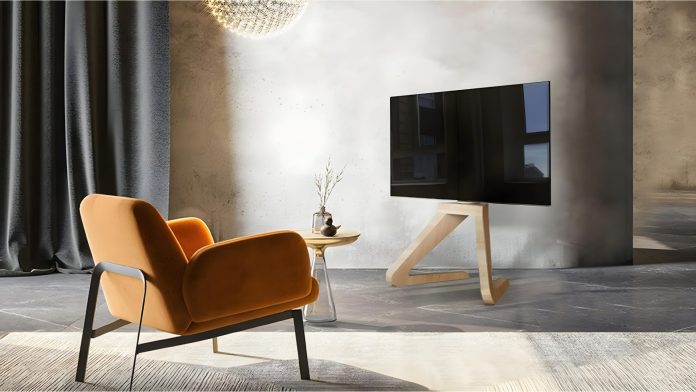
Moveable foundations for compact rooms
Bookshelf speaker stands offer a simple path to better sound without crowding shelves or corners. They raise the drivers to ear level, which reduces muddiness that hides in bass booms and high shelves. A pair that tucks into the corners but stays stable is worth its weight in decibels. The best picks use Bookshelf speaker stands steel or solid aluminium, with a broad base and non-slip feet. Lightweight options are easy to shift, yet heavy enough to resist wobble when the door bangs or a cat hops by. The right stands feel grounded, almost like they disappear when the music starts.
Clear lines, secure fit, minimal vibration
Monitor lift is not just about height; it’s about control. A solid monitor lift system locks the speaker in a fixed plane, which keeps the imaging precise across tracks. When a stand brings a speaker closer to the listening position, hard edges soften and voices sit forward in Monitor lift the mix. The trick is a quiet lifting mechanism and a top plate that won’t twist under load. A good model uses rubber isolation pads and a frame that clamps the speaker snugly—no loose, rattly notes should travel into the room.
Placement psychology and how to tune by ear
Bookshelf speaker stands become more than furniture when set properly. The distance from wall and the angle toward the listening seat shape the rhythm in the room. Start with the front of the speaker about a metre from the wall and toe them in 10 to 15 degrees. From there, small shifts can reveal new clarity in cymbals or the warmth of a vocal. The right balance keeps the stage wide but not diffuse, letting bass feel tight rather than smeared across space.
Stability matters as much as height and weight
Monitor lift setups shine when their feet stay planted. A stable base prevents micro-mags of movement during quick drum fills or sudden crescendos. Look for feet with a broad footprint and optional wall-mount compatibility if the room’s layout changes. The ideal build avoids cheap welds and spindly columns; a sturdy column resists flex and keeps the speaker face perfectly aligned with the listening axis. In these careful choices, the music breathes with purpose rather than jittering at every punchy note.
From budget buys to serious setups
Bookshelf speaker stands span a wide range of prices, and the best value happens when you match platform rigidity to the weight of the speaker. If a pair weighs 4 to 8 kg, a simple cross-braced stand may suffice. Heavier speakers deserve a column with damped springs or elastomer mounts. Consider the finished look too—soft edges and matched finishes help a room feel cohesive while keeping the sound anchored, not shouted. Practical details, like cable routing channels, make daily use smoother and less obtrusive.
Conclusion
Solid furniture for audio is more than a shelf and a latch. It’s about listening clarity, reliable isolation, and a setup that invites longer sessions rather than quick fiddling. Bookshelf speaker stands and monitor lift systems work together to produce a clean, focused image with every note intact. A well-chosen pair respects the room’s acoustics, avoids glare, and gives a sense of space that mirrors the recording. In the end, the right configuration offers tangible improvements in detail, texture, and confidence behind the mix across music, dialogue, and ambience in real listening scenarios.