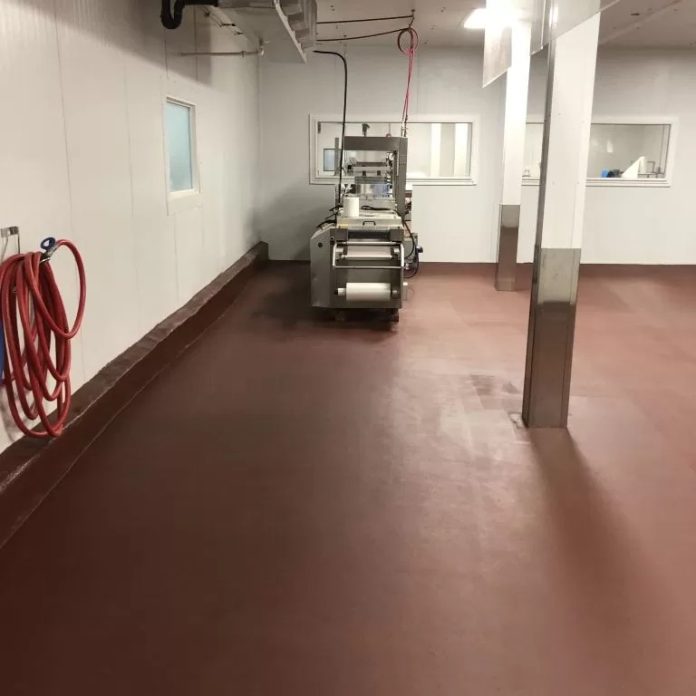
Sharp fixes that beat wear and tear on heavy floors
When warehouses face constant foot traffic, pallet jacks, and drop zones, the floor tells a story of grit. A reliable Warehouse Flooring Repair Service NJ understands the rhythm—patches must blend with the old surface, not shout for attention, and repairs should endure. Teams inspect load-bearing zones, seams, and high-traffic lines, then plan Warehouse Flooring Repair Service NJ patches that meld with the concrete. The aim is fast service with lasting results, so downtime stays low and machinery keeps rolling. Clients notice the difference when a repair feels solid, not temporary; it’s about restoring the surface’s bite and keeping days predictable.
Enduring options that fit busy spaces without disrupting flow
Repair work in a warehouse needs materials that stand up to forklifts, chemical exposure, and humidity swings. A thoughtful approach blends epoxy patches with reinforced concrete where necessary, ensuring joints stay locked and surfaces stay even. The team prioritises quick cure times, minimal odours, and a Commercial Kitchen Flooring with Epoxy NJ finish that resists scuff marks. In tight loading bays, precise edging matters, so compound textures are chosen to reduce slip risk while preserving a clean, professional look. The result is a safe, dependable deck that supports peak throughput.
Cope with kitchens? Epoxy patterns and careful planning help
Sections that see splash and splash-back risk demand footwear-friendly textures and easy-clean surfaces. A well-planned repair strategy for kitchens adds resilience without sacrificing access to drains or vents, so cleaning routines remain straightforward. Experts discuss substrate prep, moisture checks, and top-coat selection to prevent peeling. When done right, epoxy systems deliver a glossy seal that holds up to cleaners, heat, and grease. The trick is balancing slip resistance with easy maintenance, so workers move quickly and safely across every zone.
Testing and tempering: how to extend life between service calls
Quality checks start with a simple test: is the concrete level, are cracks expanding along the same lines, and do patches withstand forklift traffic? A thorough plan addresses micro-cracks before they widen and coordinates with sealing schedules. Maintenance teams pack smart with a schedule that fits shift changes and avoids peak hours. They document wear patterns, then tailor patch sizes and resin formulations to local needs, ensuring repairs aren’t guesswork but precise responses to real use. The approach is practical, not flashy, and it pays off in fewer call-backs.
Materials that survive the grit where soles and wheels meet concrete
Choosing the right mix is key. A durable repair relies on patching compounds that cure rigidly but flex with temperature shifts. Surface prep, moisture control, and proper bonding agents all matter, especially in wet zones. In practice, crews test small patches first, observe adhesion, then scale the repair. The outcome feels seamless, with a uniform sheen and no obvious patch lines. Maintenance staff appreciate a finish that keeps its colour and grip after months of heavy use and routine cleaning.
Conclusion
Warehouse management gains when floors stay reliable under pressure, and a good repair strategy is part of that reliability. The right crew can map out weak points, apply patches that blend in, and finish with a finish that resists wear. This approach reduces downtime, supports faster loading cycles, and keeps equipment in smoother motion. For businesses eyeing long-term value in hard-wearing surfaces, a practical, measured plan pays dividends, every shift. hpsfloors.com offers clear guidance and proven solutions that stand up to daily demands.