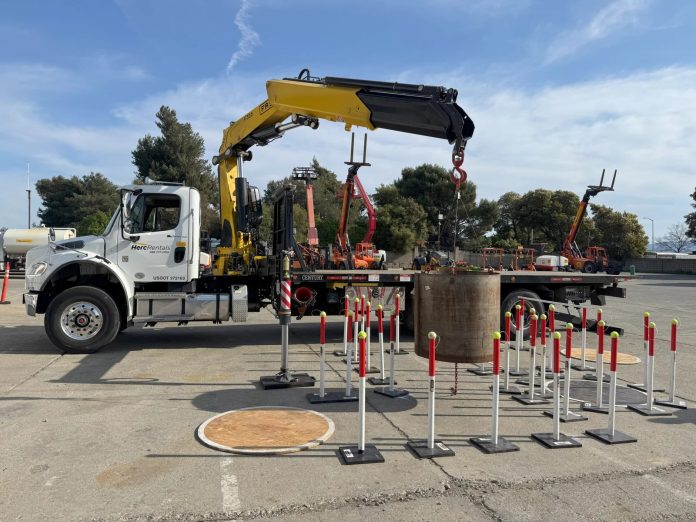
Facing the first hurdle on site readiness
When crews plan a lift, the core goal is safety and precision. The path to Mobile Crane Operator Certification CA starts with understanding the machine, the load limits, and the site rules that govern every move. Trainees learn to read weather, check ground conditions, and coordinate with signalers. Mobile Crane Operator Certification CA This isn’t a dry exam, it’s about real work habits, like pre-lift checklists, equipment tagging, and clear radios. The certification process values practical judgment as much as technical skill, so each hands-on session mirrors the challenges seen on bustling job floors.
Building a solid foundation for rigging and signals
A strong grasp of rigging is essential in any lift. NCCCO Rigger Training California focuses on the knots, hardware, and agreed hand signals that keep loads manageable. Trainees practice in controlled zones, handling slings, hooks, and chokers with careful accuracy. The program emphasises communication, so NCCCO Rigger Training California riggers can convey risk without friction. In the corridor between theory and practice, students build a mental inventory of potential snag points, like unlevel ground or unexpected wind shifts, turning theory into safer, smoother operations on site.
Translating theory into on-site discipline
On the floor, the best learners turn manuals into muscle memory. Mobile Crane Operator Certification CA drills pushers and operators to sequence moves, plan for contingencies, and maintain a calm tempo under pressure. The emphasis is on practical skill, from rigging tension checks to machine travel paths. Real-world scenarios require quick decisions about anchor stability, crate handling, and permit constraints, so the course blends classroom insight with field challenges that mimic daily work rhythms.
Practical steps to advance learning and credentials
Preparation isn’t about memorising a list of numbers; it’s about habit. NCCCO Rigger Training California modules cover gear inspections, load charts, and safe rigging practices that survive the heat of a long shift. Students learn to interpret load weight, centre of gravity, and weather influence with confidence. The programme also reinforces documentation, ensuring each lift is traceable to safety guidelines and site rules. This approach helps workers feel ready to apply for certifications without surprises when the clock ticks on exam day.
Choosing the right path and staying compliant
Choosing a recognised route matters. The blend of Mobile Crane Operator Certification CA and associated rigging training shapes a sturdy profile for maintenance teams, construction crews, and industrial sites. Prospective operators should verify state approvals, instructor credentials, and hands-on hour requirements. A well-structured course balances drift and discipline, ensuring long, steady gains rather than quick, hollow wins. Awards and endorsements from reputable bodies signal that the training is grounded in real-world safety and practical competency.
Conclusion
On the job, tall lifts demand more than bare knowledge; they require earned confidence, precise habits, and a clear sense of risk. A candidate pursuing Mobile Crane Operator Certification CA gains a toolkit that aligns with daily tasks, from pre-lift checks to post-load reporting. The NCCCO Rigger Training California component adds depth to what a crew needs when lines tighten, slings sing under tension, and a crane’s arm reaches across a busy site. For employers and workers alike, selecting a recognised programme is a smart move that pays back in safer operations and fewer delays on project timelines. a1craneacademy.com