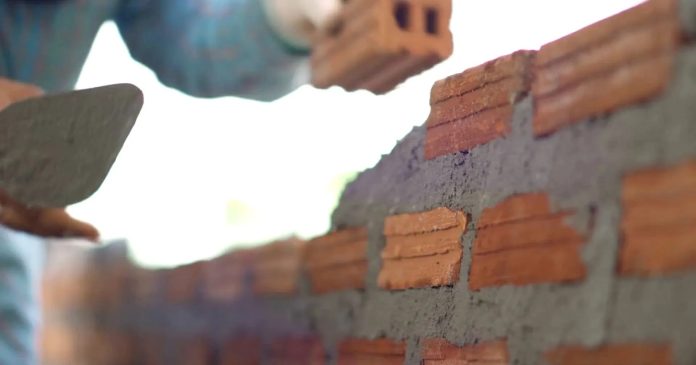
Texture, scale and the feel of a brick wall
A sturdy brick wall can transform a room’s vibe in minutes. It holds texture in every light, not just at dawn or dusk but through strong daylight and soft lamp glow. When a wall shows long, irregular lines and tiny pits, it invites touch and curiosity. The trick is to pick brick wall a shade that won’t fight the furniture. Greys whisper, warm reds hug oak, and cream tones keep spaces airy. A brick wall doesn’t shout; it murmurs, anchors, and becomes a quiet stage for art, plants, and daily life to unfold around it.
Choosing the right bricks for longevity and charm
Material matters, so start with bricks that resist damp and frost. A good brick wall uses full-thickness bricks, not hollow or glazed types that crack with time. The surface texture matters too; a rough face hides weathering better and adds character. Match mortar colour to the room’s palette, yet keep it slightly lighter to avoid weight on the eye. Practical, not fussy, this choice makes the wall stubborn against wear while staying easy to clean after muddy shoes or stray paint splats.
Maintenance habits that keep colour and form true
Regular checks matter as much as a fresh coat of sealant. A brick wall loves air, but it hates trapped moisture. Look for patches where paint peels or mortar dusts away, and address them with a dry brush first, then a gentle wash if needed. Sealants, if used, should be breathable and compatible with the brick type. Cohesion between bricks and plaster matters, so attend to any cracks early and paint only after drying to avoid trapping damp behind the surface.
Using a brick wall as a design anchor
Let a brick wall frame focal zones. In a living room, an exposed panel behind seating can anchor the sofa and create a cosy reading niche. In a kitchen, bricks keep the vibe grounded while metal shelves and timber boards cut through with contrast. The key is balance; too much texture competes with art and cushions. A single well-placed wall can define space without shouting, giving rooms a sense of history that daily life can grow into rather than fight against.
Installation realities and practical setup
When installing a new brick wall, local climate and building codes shape the plan. Structural walls differ from decorative surfaces, so know the load and support needed. For rough tolerances, consider a Flemish bond for visual depth or a soldier course for clean lines. Keep expansion joints and movement at doorways and windows in mind. The work isn’t glamorous every step; it’s measured, careful, and worth the effort when the wall holds its position for decades and ages with grace.
Environmental footprint and future-proofing
Brick wall projects can tread lightly on the planet when materials are sourced responsibly and energy use stays balanced. Reclaimed bricks reduce waste and bring stories to the surface, lightly patinaed with time. Insulation around the wall matters too; it keeps heat in and cold out, letting radiators work smarter. The whole setup should feel sturdy, not fragile, and the look should survive shifting furniture and family life without losing charm or intent.
Conclusion
A brick wall offers more than looks. It shapes how rooms breathe, how light travels, and how a home speaks in quiet, stubborn tones. The texture invites touch, the colour choices invite broader palettes, and the upkeep remains surprisingly manageable with steady care. Practical decisions—core bricks, proper mortar, sensible seals—lock the longevity in place, while design moves around it, not through it. A well executed brick wall stays relevant as seasons turn and tastes shift, a reliable backdrop for everyday moments and small celebrations alike. For those seeking sources and a close look at modern brick work, magnoliabrick.com can be a helpful reference as plans move forward with confidence.