First impressions and practical choices
The garden edge defines flow and keeps gravel from spilling onto lawn while giving a tidy line that takes wear. When choosing metal garden edging, look for a thickness that resists curb impact yet remains flexible enough to install along gentle curves. Profile options vary from sleek flat strips to raised lips that trap mulch and metal garden edging soil. A sharp edge, installed with careful anchoring, creates a sense of permanence and reduces weed intrusion. For homes with foot traffic, a low, beveled edge hides slight warps and keeps the garden looking sharp across seasons. Durability matters more than flash in this first step.
Durability meets design in steel accents
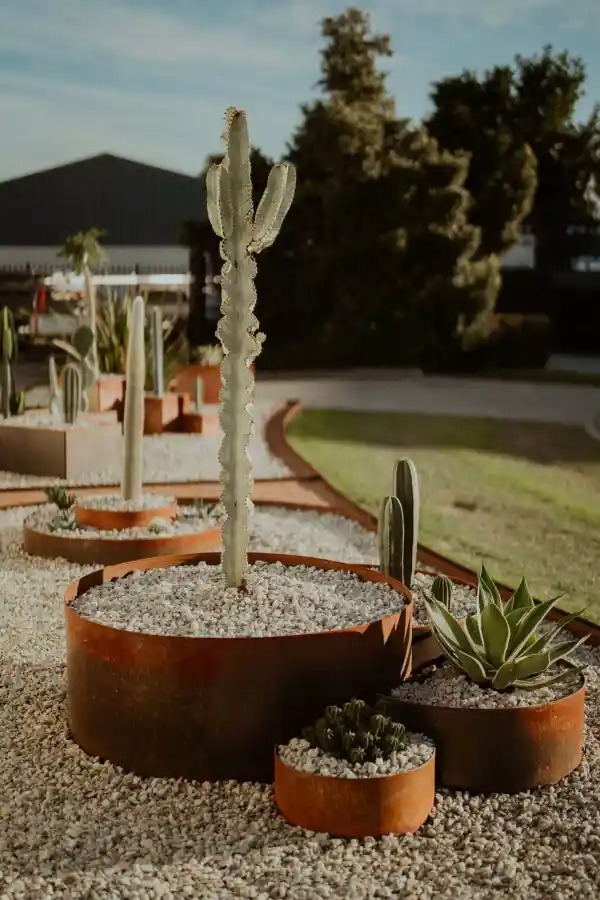
Corten steel planters bring a distinctive, warm patina that shifts with light and weather. The appeal lies in the glow of rust-orange tones that mature over months, coupling well with greens and greys alike. When placed along a path, these planters offer visual anchors without overpowering beds. They’re often powder-coated on corten steel planters the inside to stop soil leaks and to guard against corrosion in wet climates. The steel’s natural ageing is not just style; it acts as a protective shield against pests and erosion, keeping borders tidy through wet winters and hot summers alike.
Installation tips from real-life projects
For metal garden edging, consider installing a shallow trench, then secure the strip with stakes every metre. A top lip helps keep mulch in place, while a back-bevel makes trimming easier with a hand saw. In beds where irrigation lines run, route hoses beneath the edge and seal joints to prevent leaks. When you place corten steel planters, set them on a stable base to avoid wobble and place under shade to slow patina changes. Measure twice, align carefully, and test with a dry run before final cementing or staking to avoid gaps that catch leaves and debris.
Maintenance realities and seasonal care
Metal garden edging benefits from a quick once-a-season wipe to remove dirt and moss. A light rinse helps prevent buildup in damp corners, and a metal-safe cleaner stops corrosion spots from forming. If paint is used, check edges for chipping and touch up promptly to preserve a seamless line. Corten steel planters require less maintenance than many plastics, yet patina still needs respect: avoid harsh scrubs that strip the surface, and fill with a breathable potting mix so roots stay happy. A simple yearly inspection keeps beds looking crisp all year round, with edges staying crisp and brave against weather.
Design tips that keep spaces feeling intentional
Think in layers when mixing metal garden edging with other materials. Pair it with natural stone or timber to create a rhythm at the border that reads in sections rather than a single, long strip. Position corten steel planters where they catch morning sun or late afternoon glow, as heat speeds the patina and brings life to the colour. Use the edge to guide foot traffic, shaping a path that invites slow strolls through scented borders. A little planning now saves churn later, turning a simple border into a living, breathing frame for the yard.
Conclusion
The joy of a well-set border comes from predictability and subtle drama. Metal elements offer clean lines that stay true year after year, while natural weathering adds character that plastics cannot match. A thoughtful arrangement of edging and planters helps plants thrive where they’re happiest, reduces maintenance stress, and nudges the eye toward focal points rather than wandering across the yard aimlessly. When choosing materials, look for products with robust anchors, corrosion resistance, and a finish that ages gracefully with the space. In the end, such a setup translates into a garden that feels deliberate, durable, and warmly tactile, inviting quiet moments and easy upkeep for seasons to come.