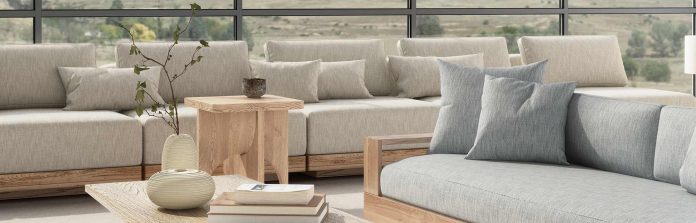
Texture matters when choosing drapery for any room
Every room tells a story, and the fabric on the windows helps that tale breathe. The choice swings on how much sun slips through, how the fibers feel to the touch, and how a shade dims without looking dull. When scanning options, the main goal is a balance between performance and curtain fabrics mood. A bright living area may sing with a sheer weave, while a cozy nook benefits from a heavier weight that muffles sound. This is where practical taste meets daily life, guiding the eye to textures that stay true through seasons and use.
How weight and weave shape privacy and light control
Light control is a project of weight and weave. Lighter fabrics let more sun in, creating an airy glow that lifts small spaces. Heavier materials dissolve sharp lines and soften silhouettes, giving rooms a snug, quiet tone. The weave, whether tight or open, sets the rhythm of daylight. In curtain cloth kitchens and baths, choose fabrics that resist moisture and fading, while living rooms benefit from a fabric with a sturdy hand that folds neatly without sagging. The result is a practical mix of visibility and enclosure that matches the day’s needs.
Care routines that keep drapery looking fresh
Maintenance plays a big role in how long textiles keep their charm. Routine care hinges on fiber type and weave. Some fabrics tolerate machine washing and gentle drying, while others demand hand-cleaning or dry storage to avoid shrinking. Detailing such as linings and weighted hems helps maintain drape and reduce wear at the edges. Planning a simple care calendar—seasonal wash, spot-clean quick fixes, and a yearly refresh—keeps the fabric feeling crisp and the room looking well kept without constant guesswork.
Color and pattern as a window to mood and scale
Color breadth can transform a space faster than furniture ever could. Solid tones offer calm and continuity, while subtle patterns add texture and depth. The scale matters: small prints work in compact rooms, larger patterns breathe life into bigger areas. Pairing with wall color and furniture wood tones creates harmony or contrast as desired. Remember that light plays tricks; what reads bold in daylight may soften to a whisper after sunset, so test samples under different lamps and times of day to judge true impact.
Material families and how they hold up in real homes
Different material families offer distinct advantages across climates and daily life. Natural fibers, like linen, bring breathability and a casual feel, yet need careful care to prevent wrinkles. Synthetics, such as polyester blends, resist fading and are easy to clean, ideal for high-traffic rooms. Velvet adds warmth and luxe, but requires gentle handling to avoid crushing nap. Blends aim for a win: easy care with some softness, color stability, and a durable fold. In real homes, blends often travel best, balancing practicality with personality.
- Linen-like textures for sunlit rooms
- Velvet accents for drama
Conclusion
In the end, selecting the right drapery comes down to how a fabric behaves with light, how it wears over time, and how it coordinates with the rest of the room. It’s a conversation between tactile feel, visual weight, and daily rhythm. For many homes, the best path is to mix weights and weaves, layering sheer panels with a heavier curtain for depth and flexibility. Try samples in window corners, observe from sofa height, and notice how a fabric changes with sun. The goal is calm, a sense of scale, and a finish that lasts through seasons without shouting. The fabric library approach favors real-world testing and thoughtful use across rooms.