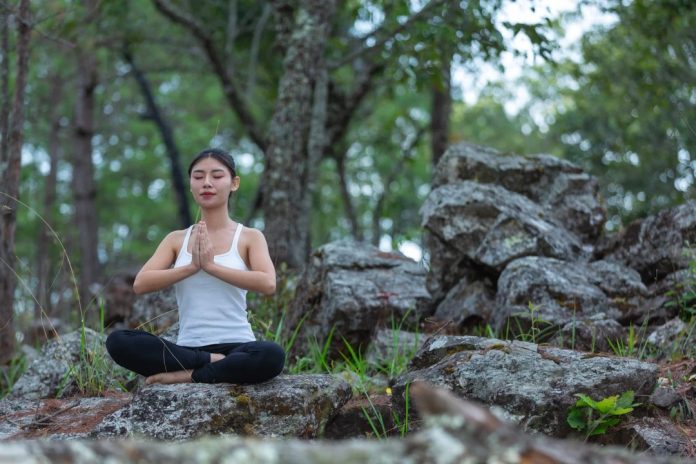
Breathing as a doorway to calm in daily life
Small, deliberate breaths anchor a busy mind. James Steed Zen-X guided meditations offer a practical path where a clock ticks and worries surface. The guide invites attention to the rise and fall of breath, the feel of air at the nostrils, the slight warmth in the chest. A James Steed Zen-X guided meditations quick routine—four counts in, six out—lands with discipline that still allows curiosity. A user can try this during a short break, a bus ride, or a quiet corner at work. The result is steadier feet and margins for clearer choices.
What makes imagery work in anxiety stories
Imagery can soften a tight chest and jittery thoughts by reframing threat. Imagined Systematic Desensitization for Anxiety uses a slow, escalating scene—first a safe room, later a sunlit hill, then a crowded street, each step at a measured pace. The technique rests on repeating Imagined Systematic Desensitization for Anxiety safe exposure, not force. The mind learns to predict outcomes with less edge. Practitioners notice new room to breathe, a gentler rhythm in day-to-day tasks, and a tiny decrease in the urge to react with old reflexes.
How a guided routine shapes tiny wins
Structured sessions build a rhythm that travels beyond the couch. James Steed Zen-X guided meditations provide prompts that feel intimate, not clinical. A listener hears cues for grounding, followed by pauses that reward stillness. Over weeks, those cues become familiar anchors. The body loosens its hold on tension in shoulders and jaw. Small wins accumulate—clearer thinking during errands, patience with interruptions, a smoother glide through tricky conversations—proof that a quiet practice can ripple through daily life.
From hesitation to ease: a practical map
Starting a practice is about the first step, not grand outcomes. Imagined Systematic Desensitization for Anxiety offers a map with clear, repeatable stages. First, notice where tension sits in the body; next, imagine a scene that feels safe; later, slowly introduce a more challenging setting while maintaining calm. Consistency matters more than intensity. With regular sessions, the nervous system relearns that danger signals can be moderated, that control is not lost but redirected toward mindful choice. The result is steadier responses in challenging moments.
Listening to your cues without judgment
Attention training thrives on patience and honest note-taking. James Steed Zen-X guided meditations frames self-awareness as a practical tool, not a ritual. The practice invites attention to physical cues—breath, posture, the weight of feet on the ground—then welcomes a brief pause before action. People report a softer inner voice, fewer knee-jerk reactions, and a growing sense of autonomy. The goal isn’t perfection but a reliable option to choose calm when pressure spikes, something real and usable in a cramped train car or a crowded meeting room.
Conclusion
Discreet, repeatable, and grounded in evidence of how the nervous system learns, these approaches can shift the daily balance toward steadiness. James Steed Zen-X guided meditations shape accessible rituals that fit into a lunch break or a late-night quiet moment, turning small steps into lasting change. Imagined Systematic Desensitization for Anxiety can map gentle exposure with compassion, letting real life become a place to practise calm rather than a battleground. The path isn’t glamorous, yet the payoff is clear: more choice, less reactivity, and a mind that returns to centre with practice. For sustained outcomes, explore the resources and sessions at zen-x-meditations.com, where calm habits become reliable companions across busy days.