Creative starting points for a painter’s toolbox
Canvas Stencils Ideas can unlock routes from bold geometry to soft florals. A simple approach invites a base colour spray, then a cut pattern to reveal the texture beneath. The trick lies in choosing a stencil with enough weight to hold its shape, yet flexible enough to bend along curved surfaces. For beginners, a grid Canvas Stencils Ideas of basic squares or circles acts like a map, guiding paint in predictable paths while letting the hand stay loose in motion. Practicality meets design when the stencil is secured with low-tack tape and a light dabbing motion rather than a drag across the fabric.
Layering texture with precision and care
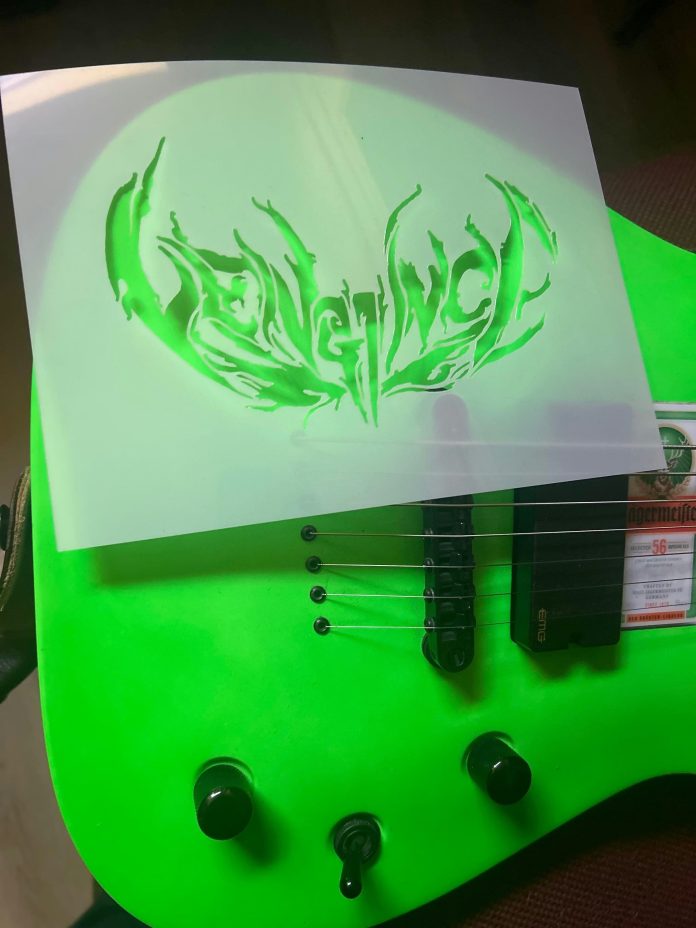
Custom Stencils for Spray Painting unlock control without stiff results. Start with a stencil that has clean, crisp edges and consider a two-layer approach: an undercoat on the canvas and a top layer that adds subtle contrast. The goal is to let the spray create soft edges where the stencil lifts, leaving Custom Stencils for Spray Painting a halo you can play with later. Using a sheer spray or an air cap with moderate pressure helps maintain a breath of air between stencil and fabric. The result? crisp shapes that breathe with the weave of the canvas, not harsh, flat prints.
Everyday objects become design ideas
Canvas Stencils Ideas can turn ordinary household items into art templates. Think plant leaves, kitchenware silhouettes, or geometric nets cut from lightweight Mylar. One neat trick is to scale motifs to different sizes; a small version anchors a corner while a larger version anchors another edge. Position marks guide alignment and keep repetition intentional rather than random. The key lies in balancing repetition with breaks, so the eye travels across the piece rather than sticking to a single focal point.
Choosing materials that hold up under spray
Custom Stencils for Spray Painting require durability plus a forgiving release from the fabric. A thick Mylar or sturdy acetate resists wear, while a vinyl border helps lift edges without tearing. For cleanup, opt patterns that aren’t overly intricate—feathery details tend to snag on weave. A simple coat of clear sealant before stencil use reduces bleed, especially on lighter fabrics. Stock up in assorted sizes so the same motif can appear at doorways, cushions, or wall hangings, creating a coherent, stitched look across the project.
From idea to finished piece with a personal touch
Canvas Stencils Ideas thrives when personal taste decides the journey. Start with a mood board—soft dunes, bright citrus, or deep indigo—and translate mood into shapes, then into stencils. Use a stencil brush for a textured feel or a light mist for sheer tone. If a shape feels too rigid, bend the stencil slightly at a corner to invite an organic irregularity. The finished surface should tell a story of play—how the spray met texture, how the fabric curled, how the light shifts as paint dries.
Conclusion
Enthusiasts who explore Canvas Stencils Ideas quickly discover that great results rely on planning and playful risk. Start with simple shapes, then layer patterns until a rhythm emerges that feels both controlled and alive. The practical path through this craft is to test tolerances, pick sturdy materials, and keep a light touch with the spray so edges stay crisp but not robotic. Custom Stencils for Spray Painting are not just tools; they become partners in a person’s creative vocabulary, guiding each piece toward a unique signature that reflects texture, tone, and the quiet joy of making something with hands. This approach invites steady progress, a little trial and error, and a sense of pride in the finished canvas.